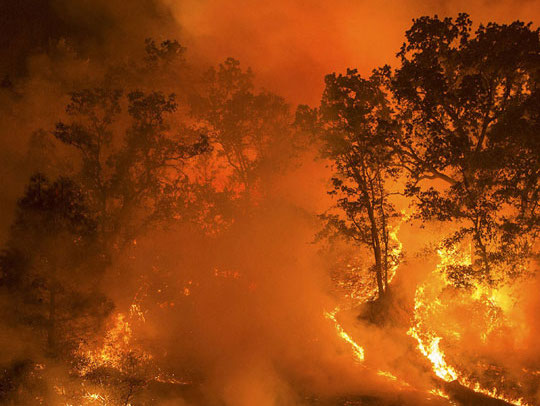
“Global Boiling”, that’s the era we’ve reached says UN Secretary General António Guterres in a July press conference. RIP Global Warming. Did you fly to a holiday destination this summer and struggle to breath due to the fires burning around you? Did you just get annoyed or did you feel the irony of the situation? Some people take the personal responsibility of their carbon emissions seriously and take action to reduce their contribution to this global boiling. The problem (and it’s a very wicked problem) is that this is a collective responsibility. Amitav Ghosh, in his book The Nutmeg’s Curse argues that it is the entanglement of imperialism, capitalism, individualism and a loss of connection with the earth (Gaia).
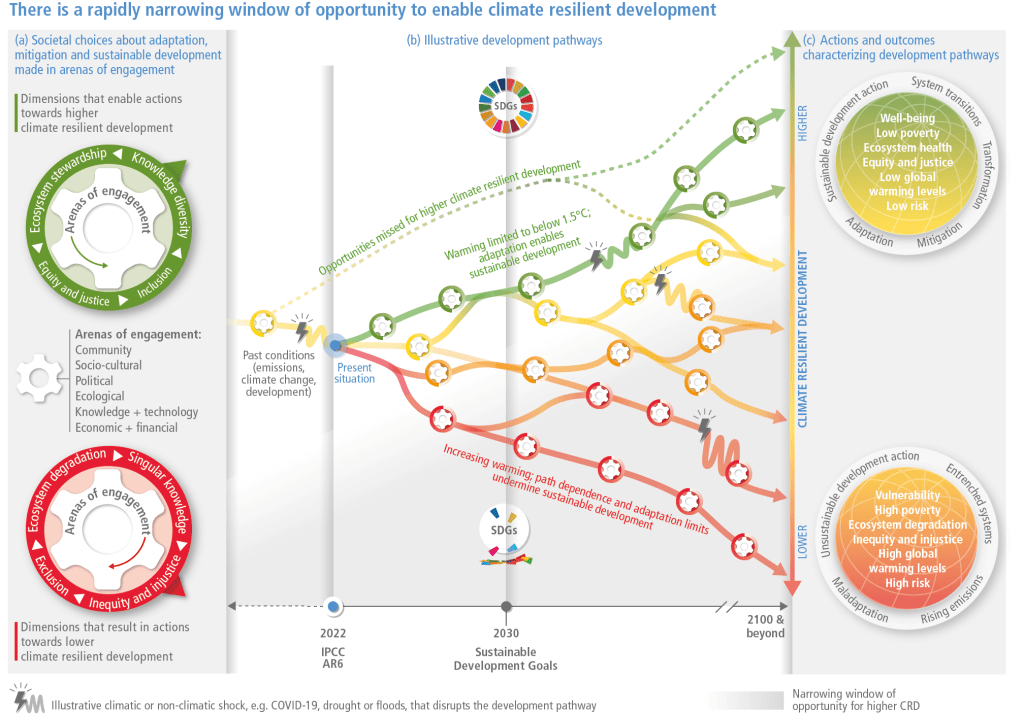
David Ho, Professor of Oceanography in Hawaii, wrote in a Nature article in April 2023 that we have to urgently scale back our emissions now. There is no point in scaling up our carbon capture technology if our emissions are sky rocketing. This means decarbonising our economy and energy production systems. “We must slow the carbon clock to a crawl before we can turn it back.” This, for me, means that we have to do everything we can to reduce our carbon emissions, not offsetting to excuse high emissions. Offsetting is a great additional tool to regenerate ecosystems and provide a lever for development but it’s not going to be effective if we keep on adding carbon to the atmosphere.
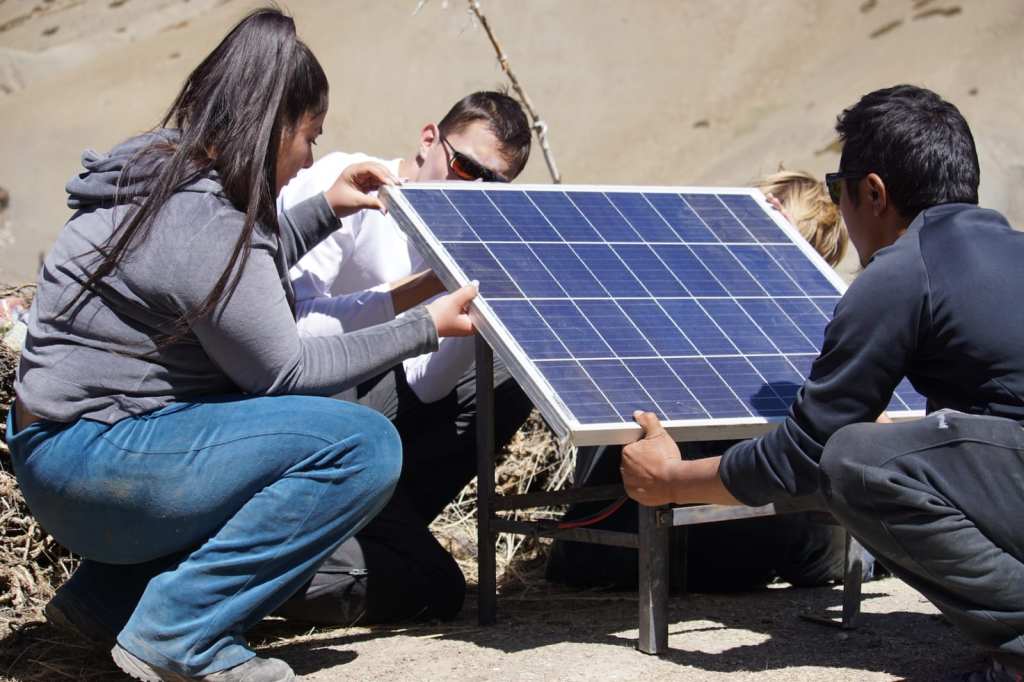
In Education we have the added complexity of the need to help young people learn through authentic situations to push their boundaries and to see different perspectives. To live the Sustainable Development Goals (SDGs). Does this mean that the privileged young should fly across the world to learn how to install solar panels? Does this provide the inspiration for them to go on and work in development in the future? Does it help change their mental models of what it is like to live with low incomes and therefore their empathy for other people’s lives? This powerful video of ISZL’s partnership with GHE Expeditions captures these dilemmas for me. Do we feel that the carbon emissions of this trip are worth the transformative nature of the experience? We are evaluating our trips for their holistic sustainability this year.
There is increasing talk of ethics in education. People feel that we need to better infuse ethics into education so that actions with integrity and principle are developed. In the next version of the IB Environmental Systems and Societies, starting to be taught in August 2024, there is a new ethics lens through which students will need to consider their thinking. With the advent of the large language models of generative Artificial Intelligence, educators talk about the need to emphasise the ethics of the use of AI to help students act with academic integrity and consider the intellectual property of the ideas that they present. No longer is it enough to cite your source, you now need to cite the prompts you used to generate your AI generated material.

So where do we stand on ethics and production of carbon, leading to global boiling? I was struck by the power of Ghosh’s arguments about the damage that individualistic societies have made and am reminded of Margaret Mead’s quote, “Never doubt that a small group of thoughtful committed citizens can change the world. Indeed, it’s the only thing that ever has.” I do think we all need to do our part individually, reducing our personal emissions where possible. At an institutional level we also need to reduce our emissions as much as possible. We have an ethical duty to model what is possible for our community. It is an interesting lens to see how the corporate world is starting to hold each other responsible for their actions. I was called by our Business Office to investigate and respond to a very large organisation’s request for a supply chain proof of ESG Sustainability (Environmental Impact, Social Impact, Corporate Governance). Perhaps, though, the most important role of us as educators is to ensure that every student understands the holistic complexity of Climate Change and Sustainability.
In Environmental Systems and Societies we teach about a systems approach but I’m not sure that we root it clearly enough within the framework of complexity. Boulton, Allen and Bowman (2015) in their book, Embracing Complexity, provide a succinct overview of complexity (my paraphrasing):
- Systemic – the world cannot be understood by taking apart the bits and understanding them separately. Factors work together synergistically through a pattern of relationships
- Path-dependent – history matters, giving shape to the future
- Sensitive to context – one size does not fit all, change and the future emerge dependent on particular events, relationships and particular features in the local situation
- Emergent – the future does not follow smoothly from the past, neither is what happens random
- Episodic – things are becoming, developing and changing but change seems to happen in fits and starts [in evolution we would call this punctuated equilibrium– see Stephen J Gould’s work] with surface level relationships and structures appearing stable, micro-changes occur sub-surface and then radical change can appear suddenly with new patterns of relationships self-organising and some completely new features emerging.
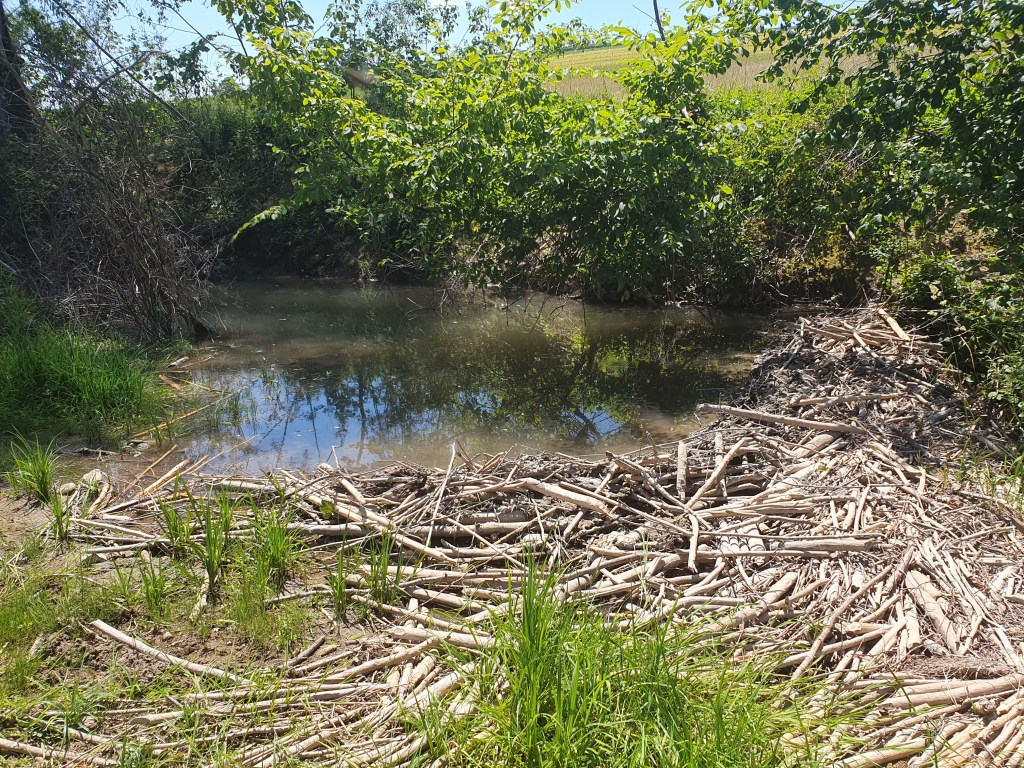
I’ve noticed that the world is increasingly borrowing ecological terms to describe systems. In the best cases they are using these terms in the truest sense to develop understanding through metaphors and analogies. The British Ecological Society defined ecology as “the study of interactions among living things and their environment. It provides new understanding of these vital systems as they are now, and how they may change in the future.” I’m just starting to explore Dave Snowden’s work through his company Cynefin. “Cynefin, pronounced kuh-nev-in, is a Welsh word that signifies the multiple, intertwined factors in our environment and our experience that influence us (how we think, interpret and act) in ways we can never fully understand”. This framework may be useful as I develop my new role in innovating with the International Baccalaureate at ISZL and exploring sustainability in this context.
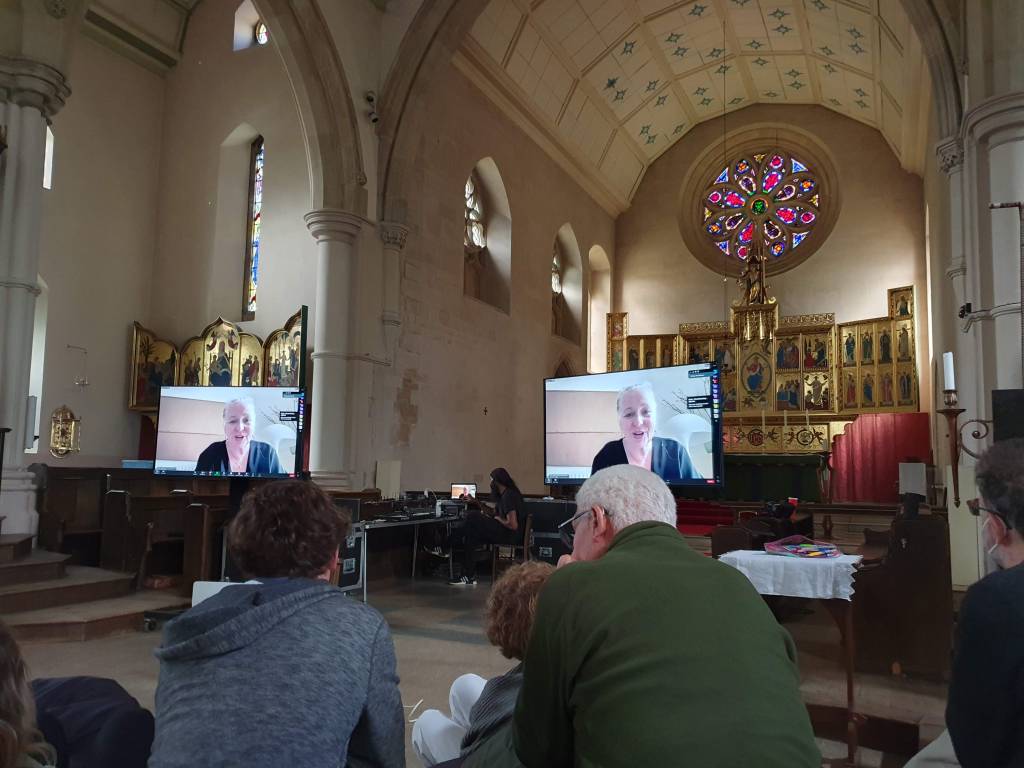
Over the summer, following a remarkable series of events (path-dependency) I ended up in a Church in North London taking a week long course to be a Warm Data Lab host with the International Bateson Institute and Nora Bateson herself. For me, this practice of warm data helps people to understand complexity through experience and different perspectives. It is transcontextual learning, learning from the space between information in different contexts. Learning may be immediate or it may emerge later as it has submerged. During the course I found affirmation in my intuition, my sense making and connections emerged in my storytelling that had indeed laid submerged for years. I also met some really cool people!
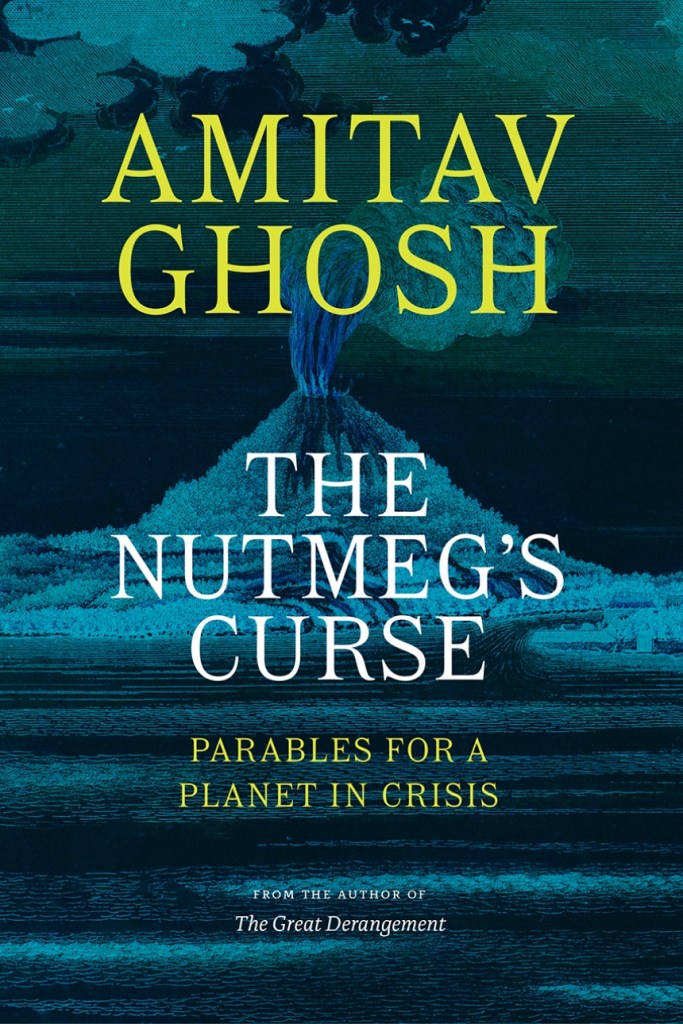
And now I can’t stop seeing connections. On the course we talked about the lifeboat story (watch the video) which Ghosh explains in the Nutmeg’s Curse was devised by Garret Hardin of Tragedy of the Commons fame and which Rutger Bregman in Humankind: A Hopeful History takes apart as a right wing trope for privatisation sharing the work of Nobel Laureate Economics winner, Elinor Ostrom. She showed how there are many examples of societies working together to manage a shared resource, a “commons” such as Swiss Alps (the shared pastures in the Alps), providing me with hope.
After eleven years as the IB Diploma Coordinator (and for 8 years as AP Coordinator) at ISZL, I have been given the freedom to sense into my new leadership role, exploring opportunities to keep us at the leading edge of IB innovation and to find ways to lead on sustainability. I am looking beyond the frame of sustainability to use the tools and opportunities of DEIJ, as what is sustainability, as Ghosh shows, if not an issue of diversity, equality, inclusion and justice?


2 Comments Add yours